Lesson 010 · posted Sat Sep 5 2026
Scared of What's Next?
What Judaism says about the unknown, and who walked into it first: five ideas, each with its source.
What the tradition says about the unknown, and who walked into it first. The unknown is where every story starts. Lech lecha was said into the dark, and it built a people.
- 1
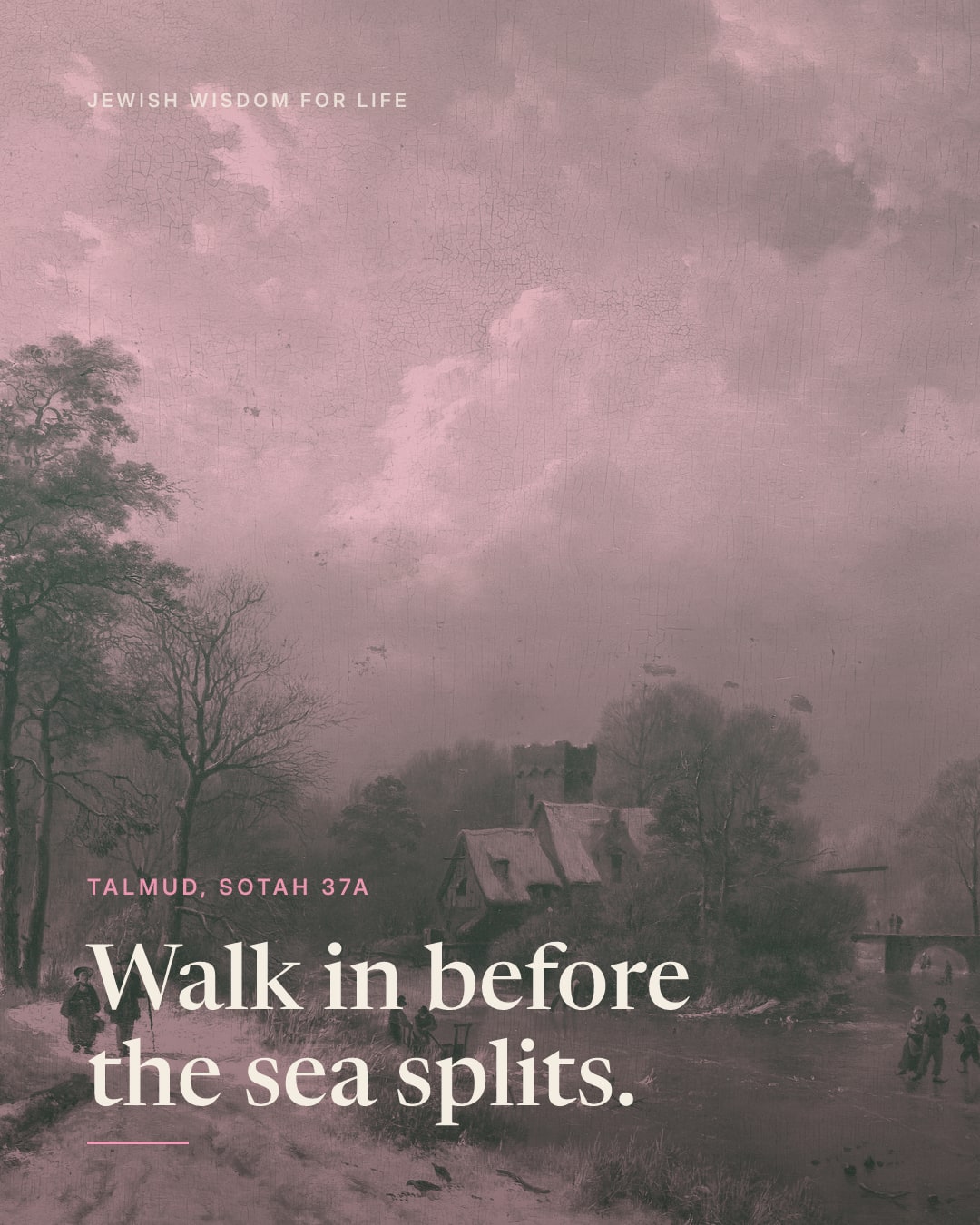
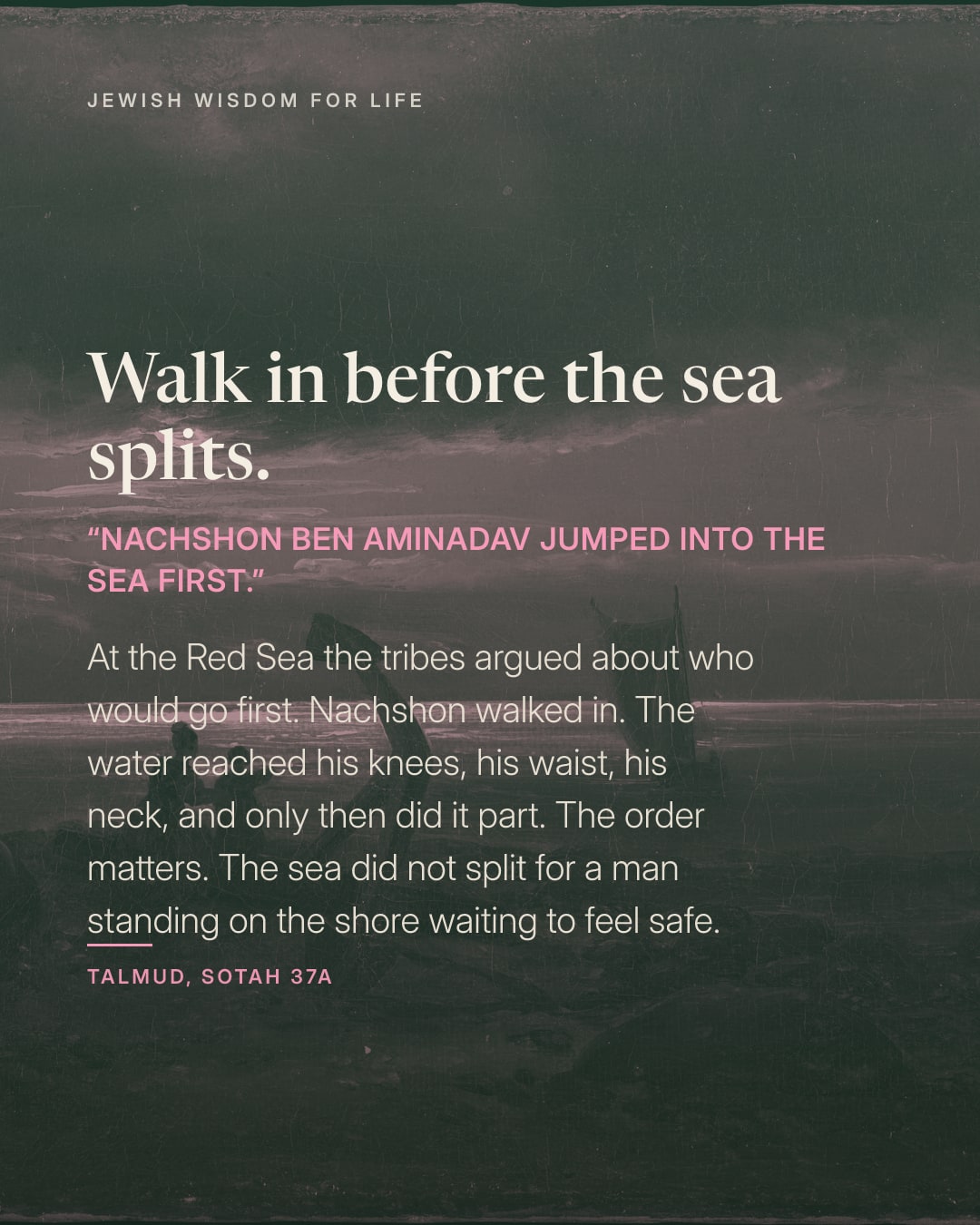
Walk in before the sea splits.
נחשון“Nachshon ben Aminadav jumped into the sea first.”Talmud, Sotah 37a
At the Red Sea the tribes argued about who would go first. Nachshon walked in. The water reached his knees, his waist, his neck, and only then did it part. The order matters. The sea did not split for a man standing on the shore waiting to feel safe.
- 2
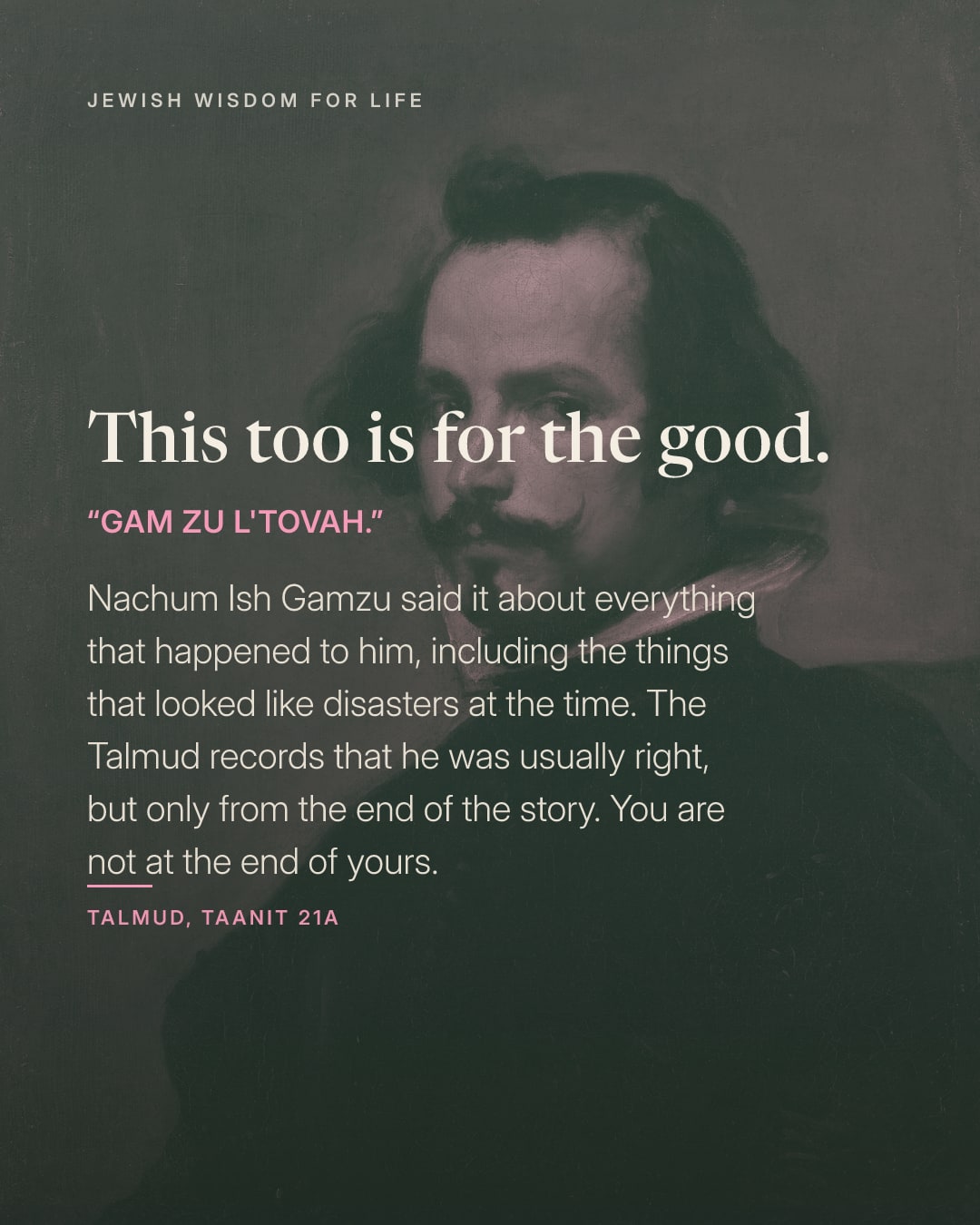
This too is for the good.
גם זו לטובה“Gam zu l'tovah.”Talmud, Taanit 21a
Nachum Ish Gamzu said it about everything that happened to him, including the things that looked like disasters at the time. The Talmud records that he was usually right, but only from the end of the story. You are not at the end of yours.
- 3
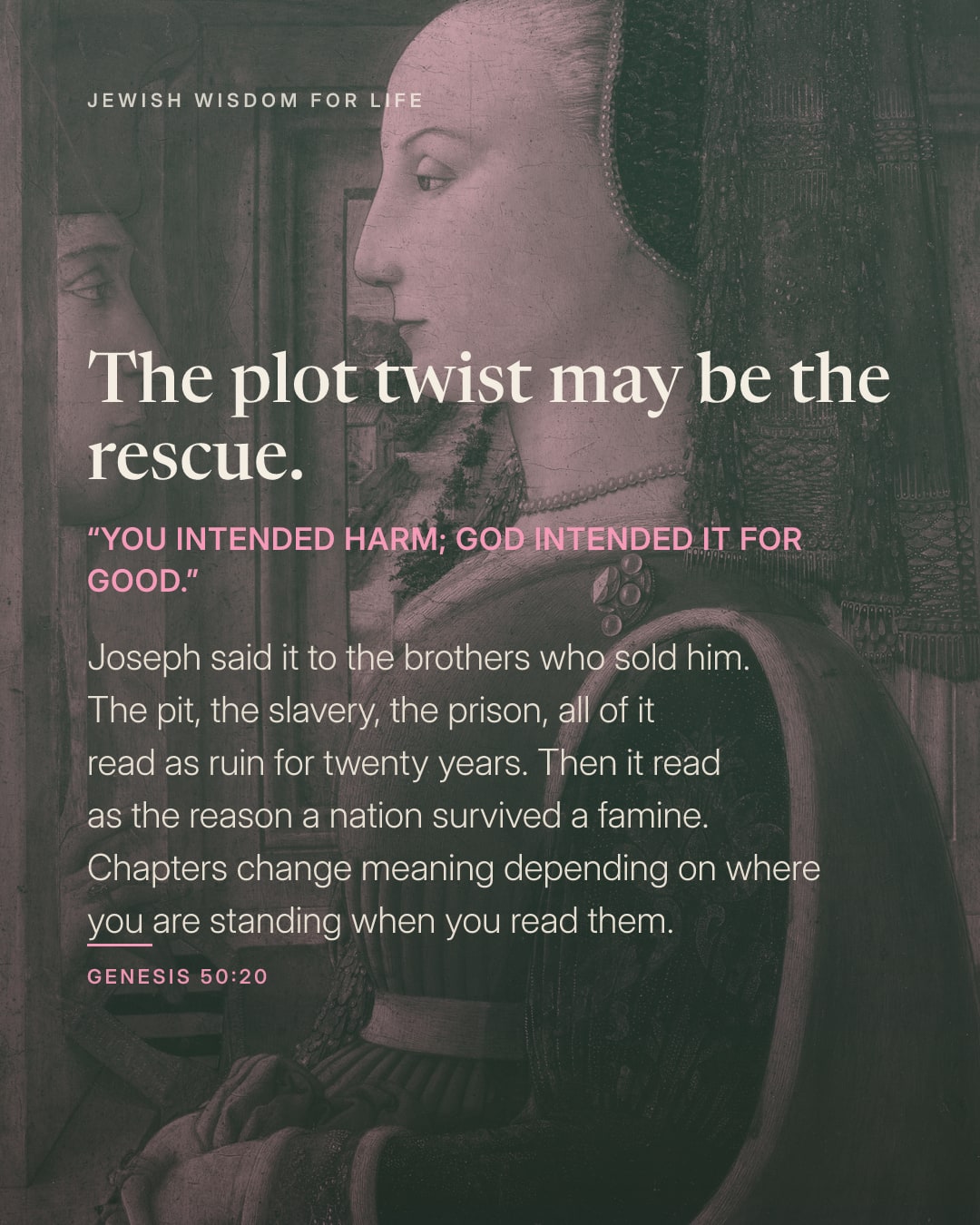
The plot twist may be the rescue.
יוסף“You intended harm; God intended it for good.”Genesis 50:20
Joseph said it to the brothers who sold him. The pit, the slavery, the prison, all of it read as ruin for twenty years. Then it read as the reason a nation survived a famine. Chapters change meaning depending on where you are standing when you read them.
- 4
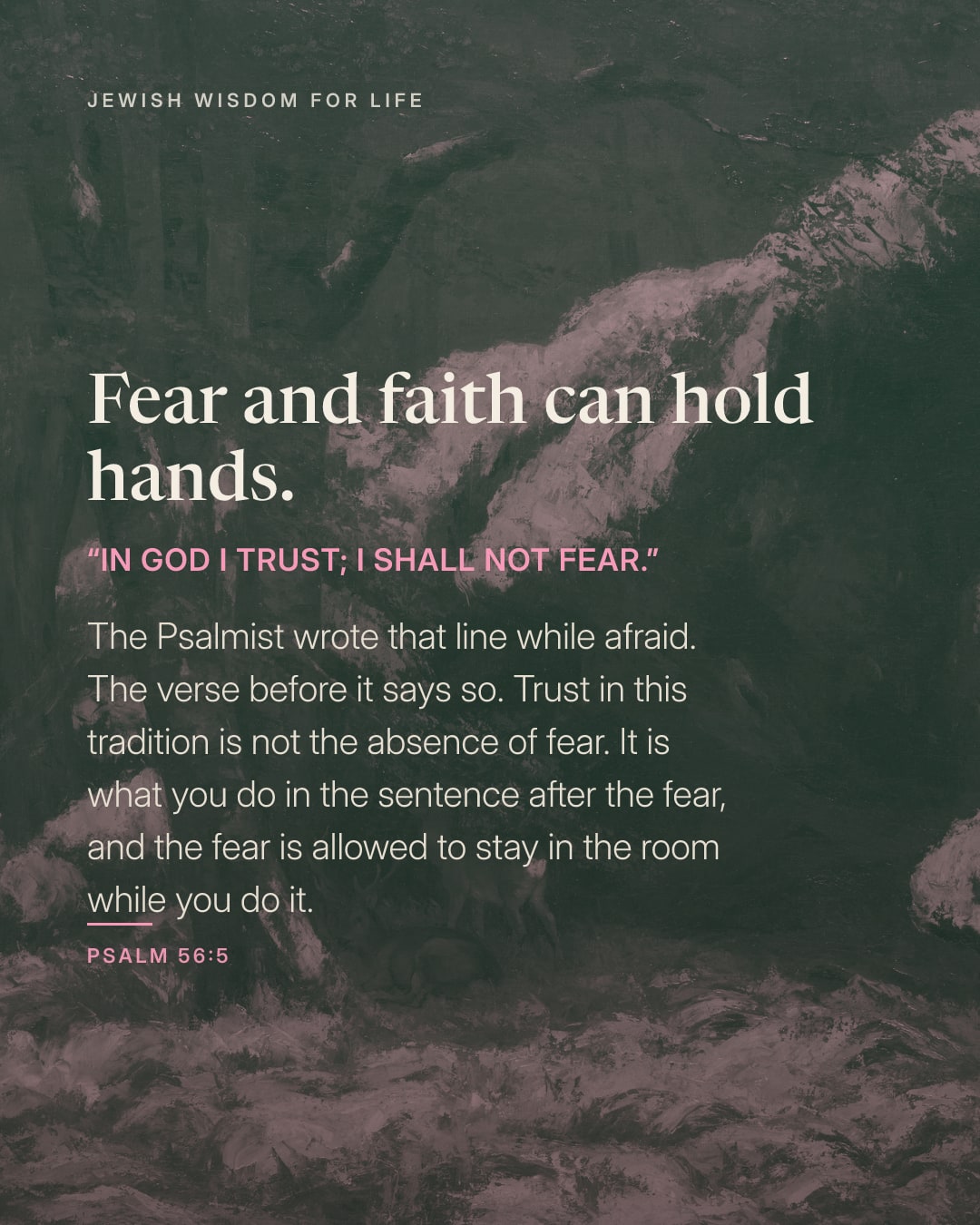
Fear and faith can hold hands.
בטחתי“In God I trust; I shall not fear.”Psalm 56:5
The Psalmist wrote that line while afraid. The verse before it says so. Trust in this tradition is not the absence of fear. It is what you do in the sentence after the fear, and the fear is allowed to stay in the room while you do it.
- 5
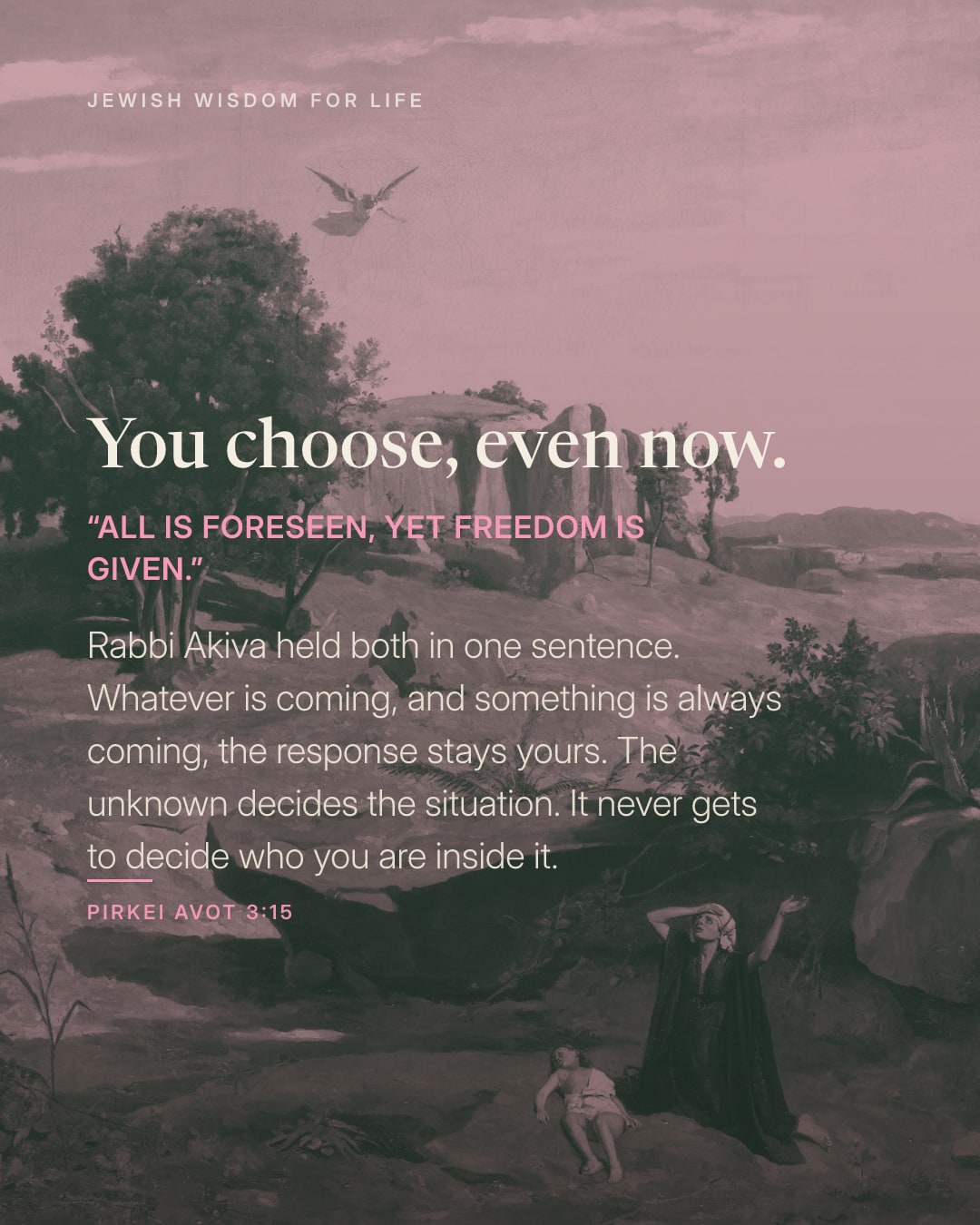
You choose, even now.
הרשות נתונה“All is foreseen, yet freedom is given.”Pirkei Avot 3:15
Rabbi Akiva held both in one sentence. Whatever is coming, and something is always coming, the response stays yours. The unknown decides the situation. It never gets to decide who you are inside it.
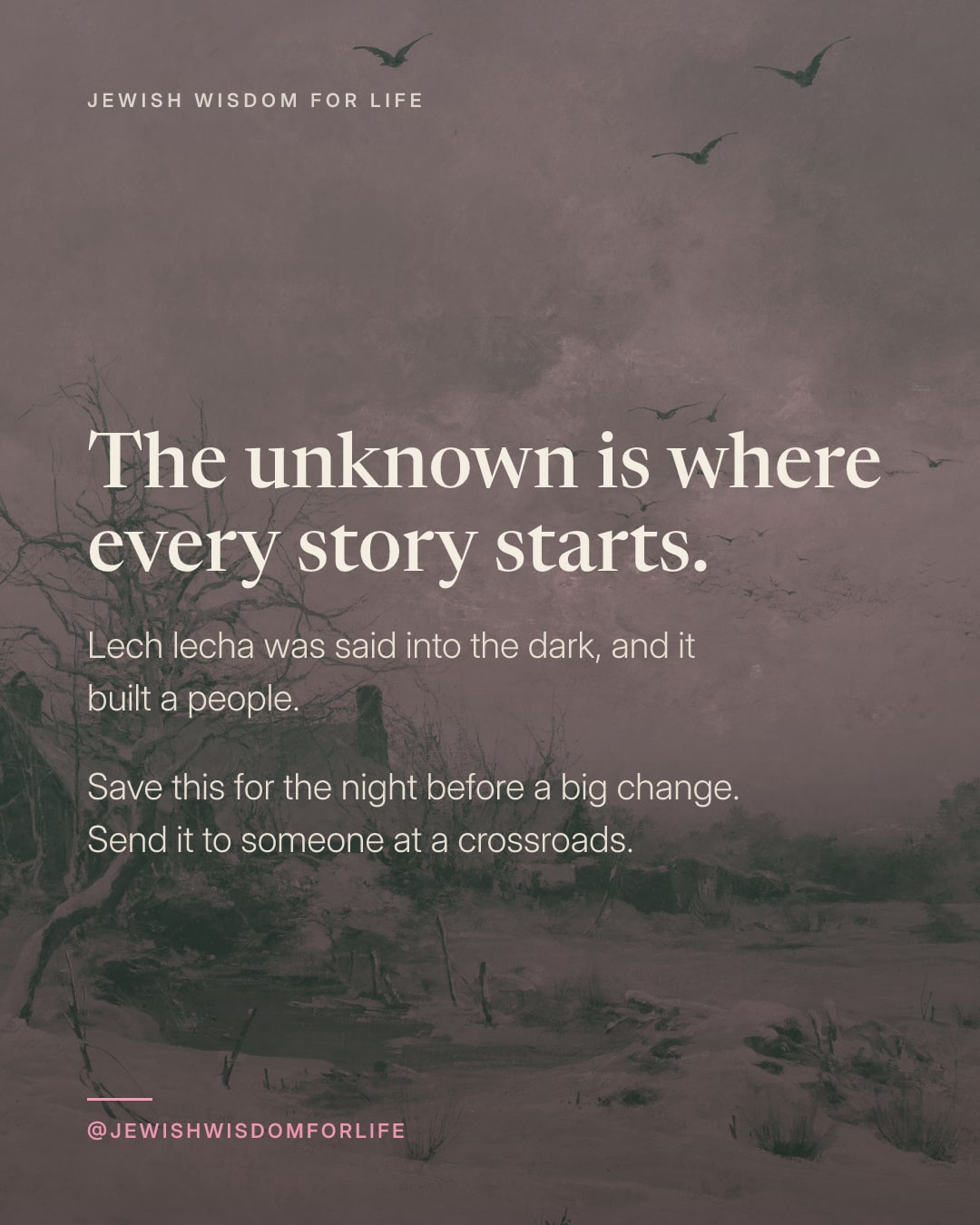
The unknown is where every story starts.
Lech lecha was said into the dark, and it built a people.
Save this for the night before a big change. Send it to someone at a crossroads.
Sources
- Talmud, Sotah 37a on Sefaria
- Talmud, Taanit 21a on Sefaria
- Genesis 50:20 on Sefaria
- Psalm 56:5 on Sefaria
- Pirkei Avot 3:15 on Sefaria
Art on the slides: Barend Cornelis Koekkoek, Winter Landscape, Holland (1833) · Johan Christian Dahl, Mother and Child by the Sea (1830) · Velázquez, Portrait of a Man (ca. 1650) · Fra Filippo Lippi, Portrait of a Woman with a Man at a Casement (ca. 1440) · Gustave Courbet, The Deer (ca. 1865) · Camille Corot, Hagar in the Wilderness (1835) · Léon-Germain Pelouse, January: Cernay, near Rambouillet (). The Metropolitan Museum of Art, open access.