Lesson 037 · posted Sat Sep 12 2026
Feeling Invisible?
What Judaism says about being seen: five ideas, each with its source.
5 things Judaism can teach us about being seen. Unnoticed by people is not unseen. The God of a runaway servant knows your name.

- 1
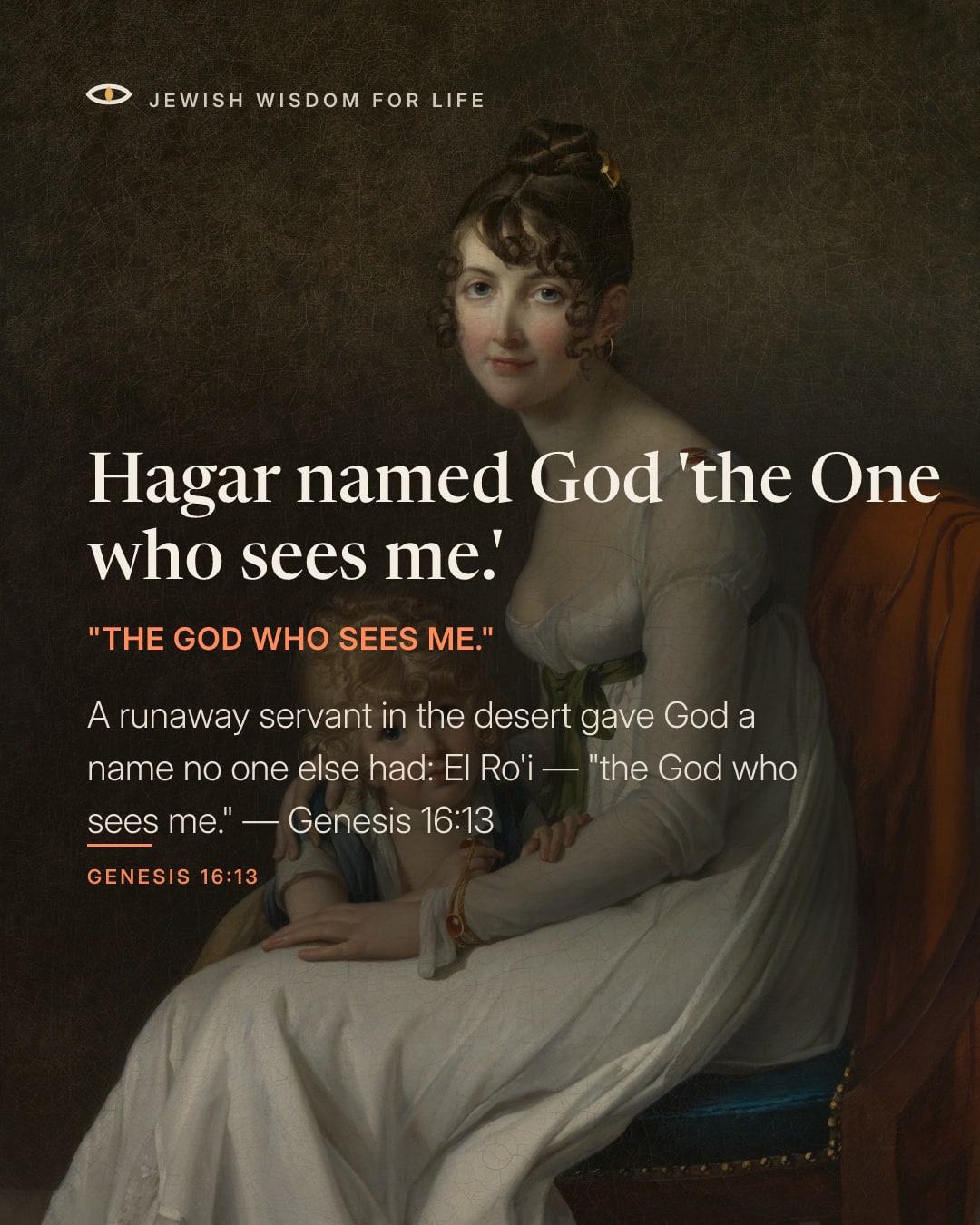
Hagar named God 'the One who sees me.'
אל ראי“the God who sees me.”Genesis 16:13
A runaway servant in the desert gave God a name no one else had: El Ro'i — "the God who sees me." — Genesis 16:13
- 2
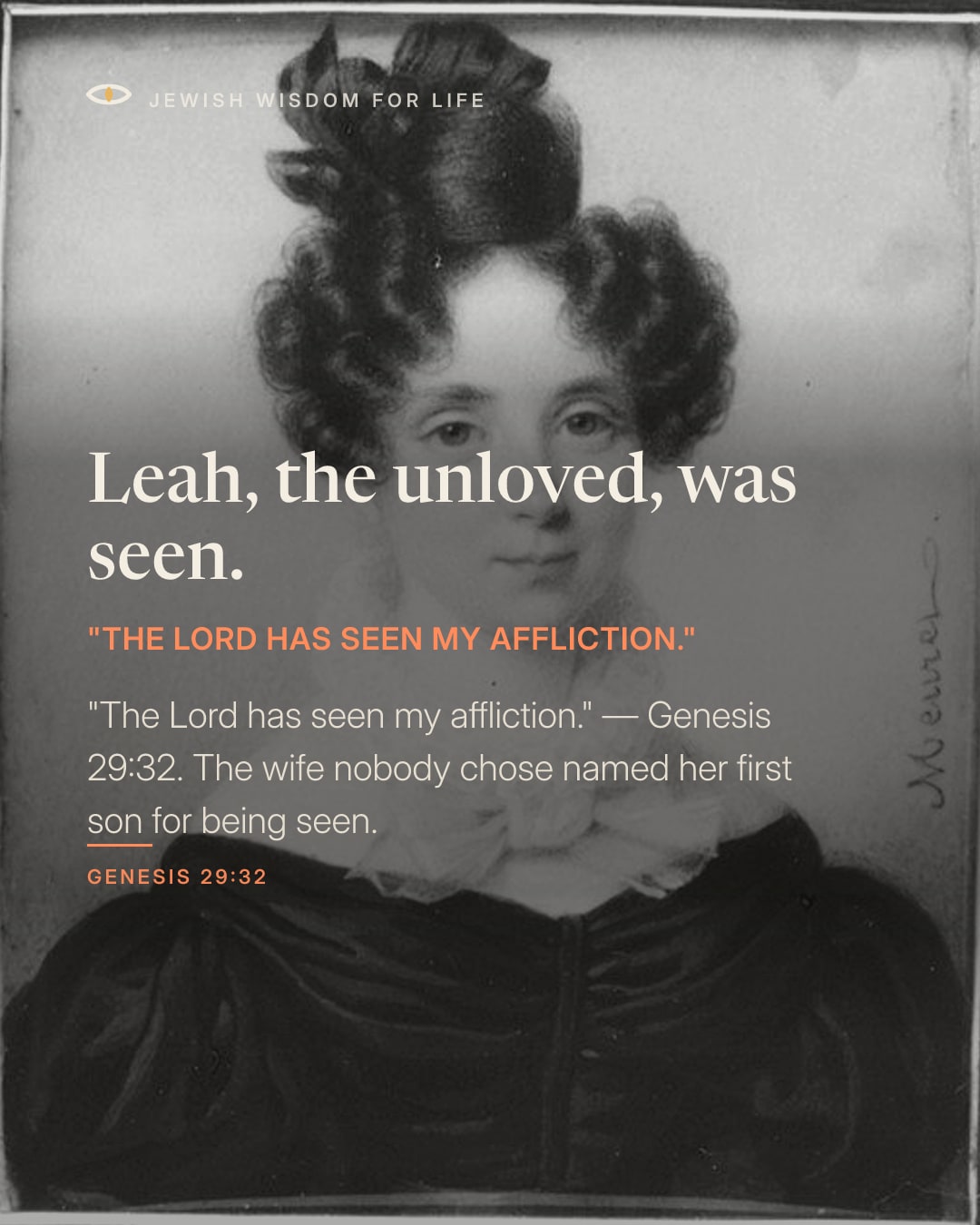
Leah, the unloved, was seen.
ראה ה׳ בעניי“The Lord has seen my affliction.”Genesis 29:32
"The Lord has seen my affliction." — Genesis 29:32. The wife nobody chose named her first son for being seen.
- 3
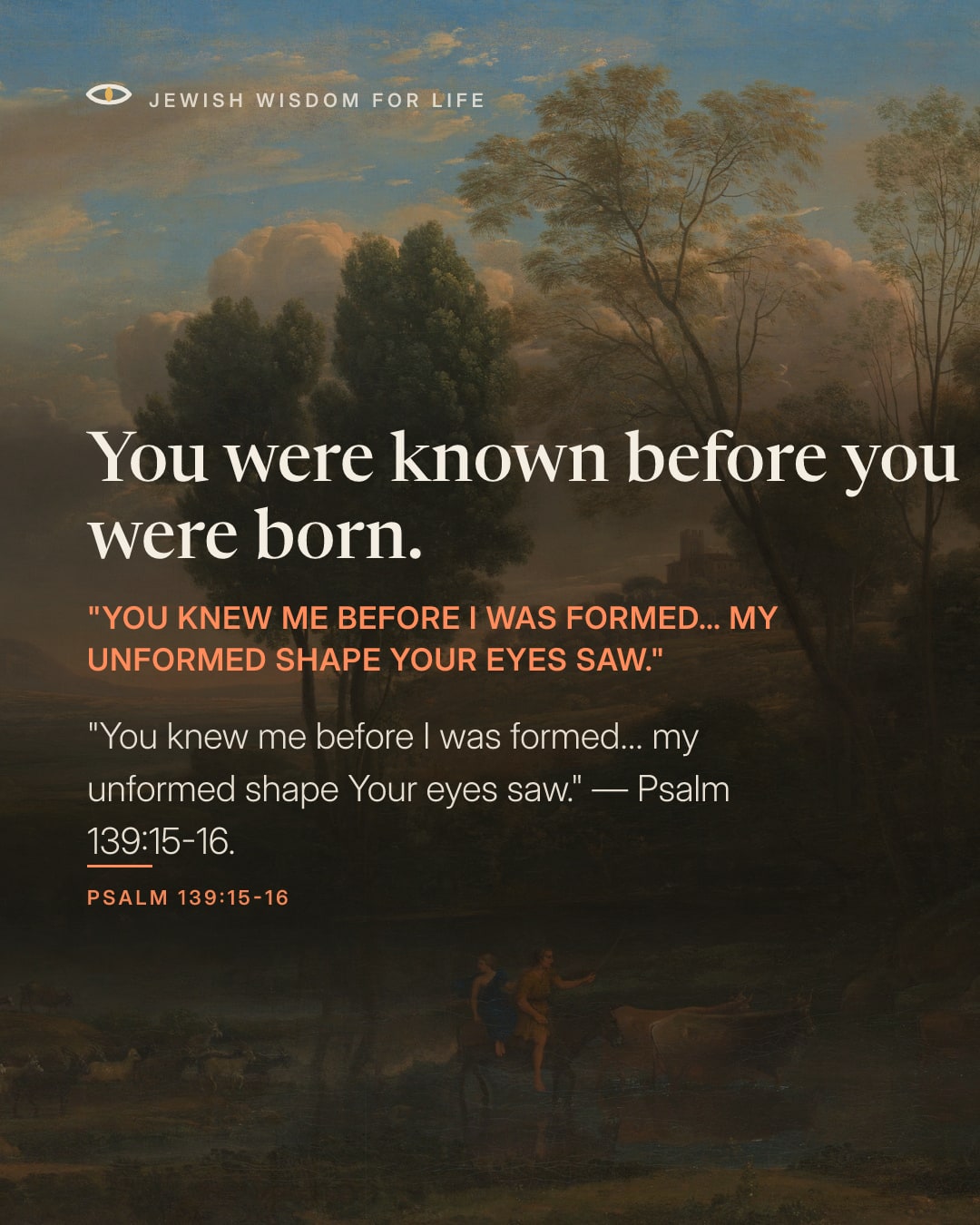
You were known before you were born.
ראו עיניך“You knew me before I was formed… my unformed shape Your eyes saw.”Psalm 139:15-16
"You knew me before I was formed… my unformed shape Your eyes saw." — Psalm 139:15-16.
- 4
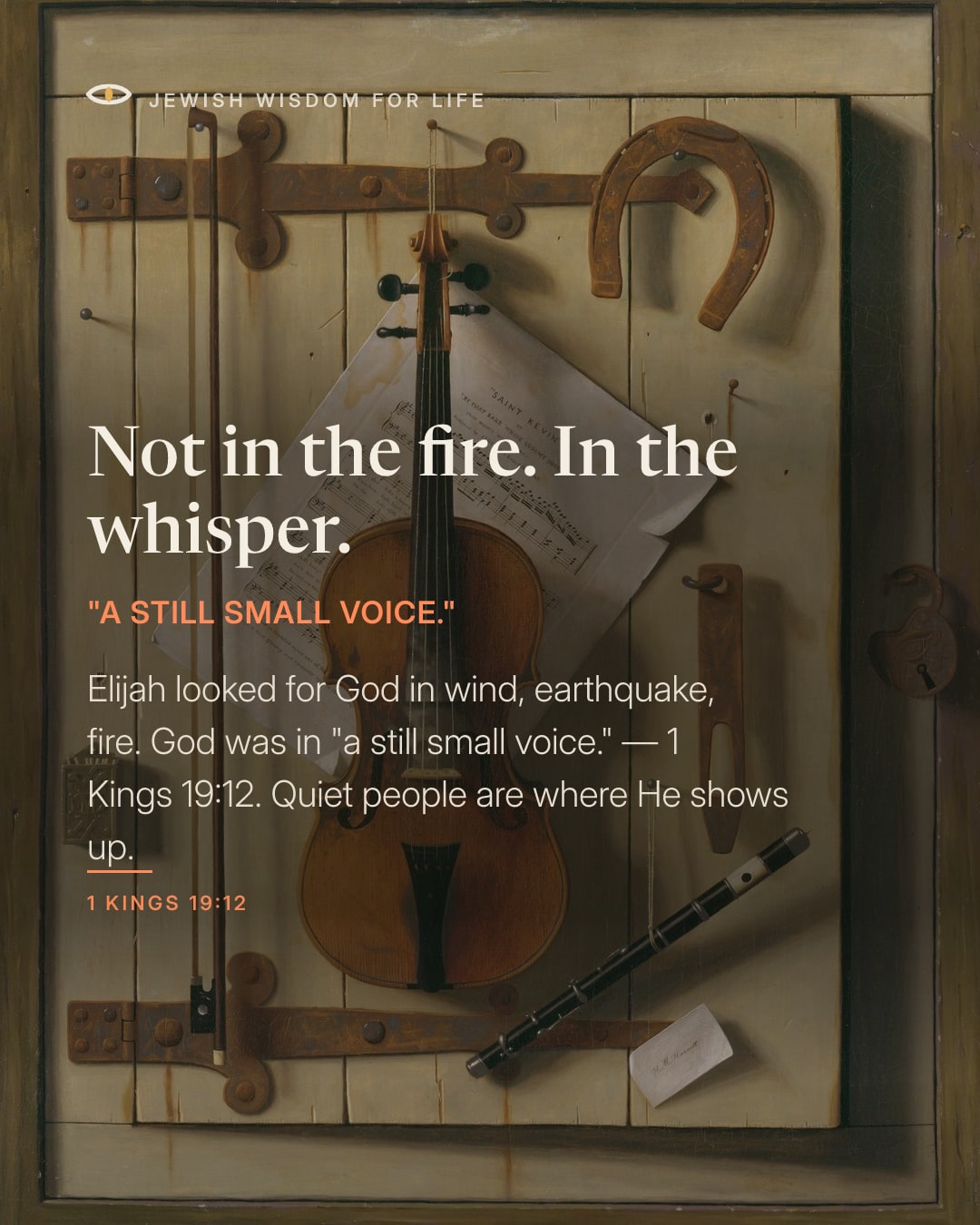
Not in the fire. In the whisper.
קול דממה דקה“a still small voice.”1 Kings 19:12
Elijah looked for God in wind, earthquake, fire. God was in "a still small voice." — 1 Kings 19:12. Quiet people are where He shows up.
- 5
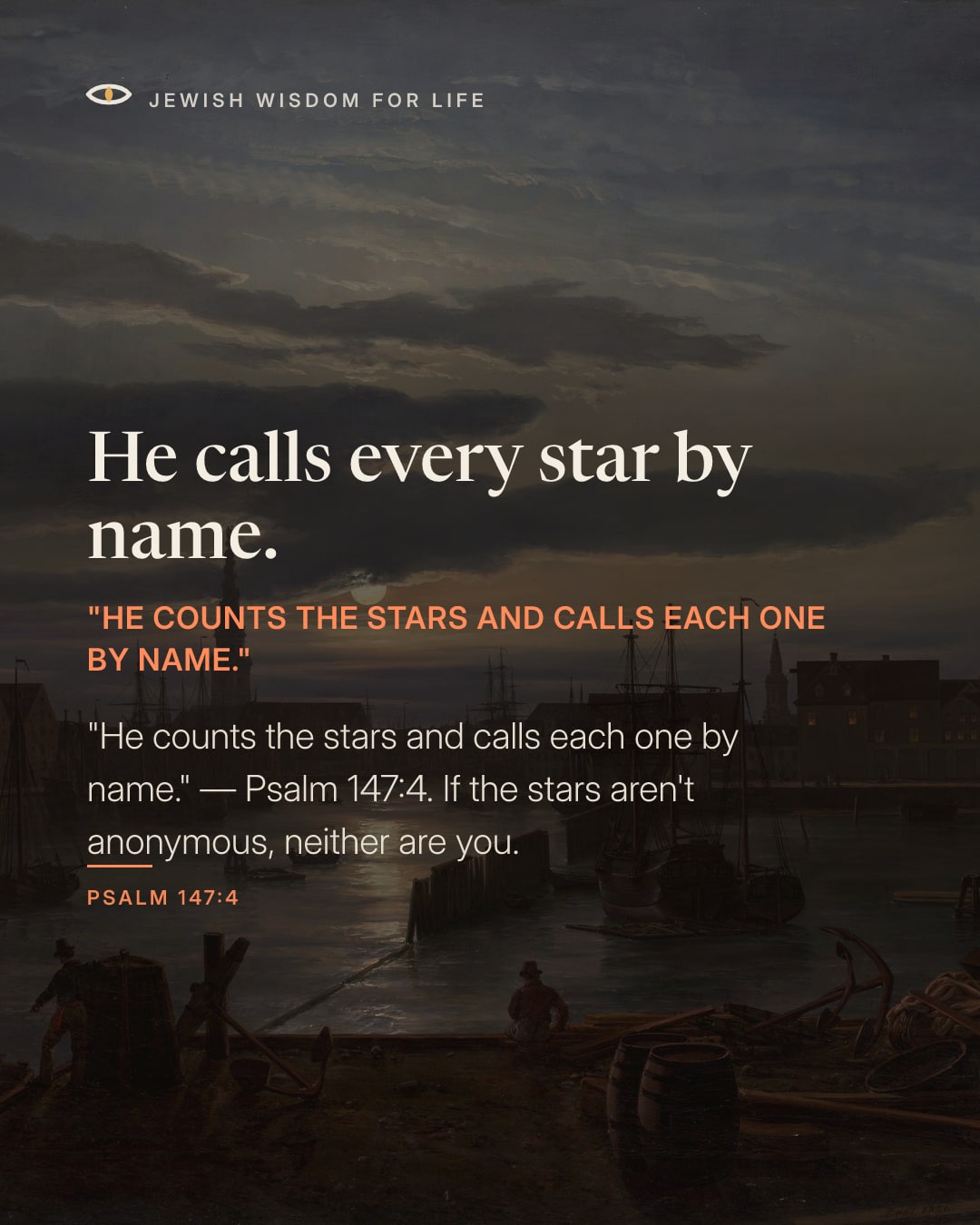
He calls every star by name.
לכלם שמות יקרא“He counts the stars and calls each one by name.”Psalm 147:4
"He counts the stars and calls each one by name." — Psalm 147:4. If the stars aren't anonymous, neither are you.
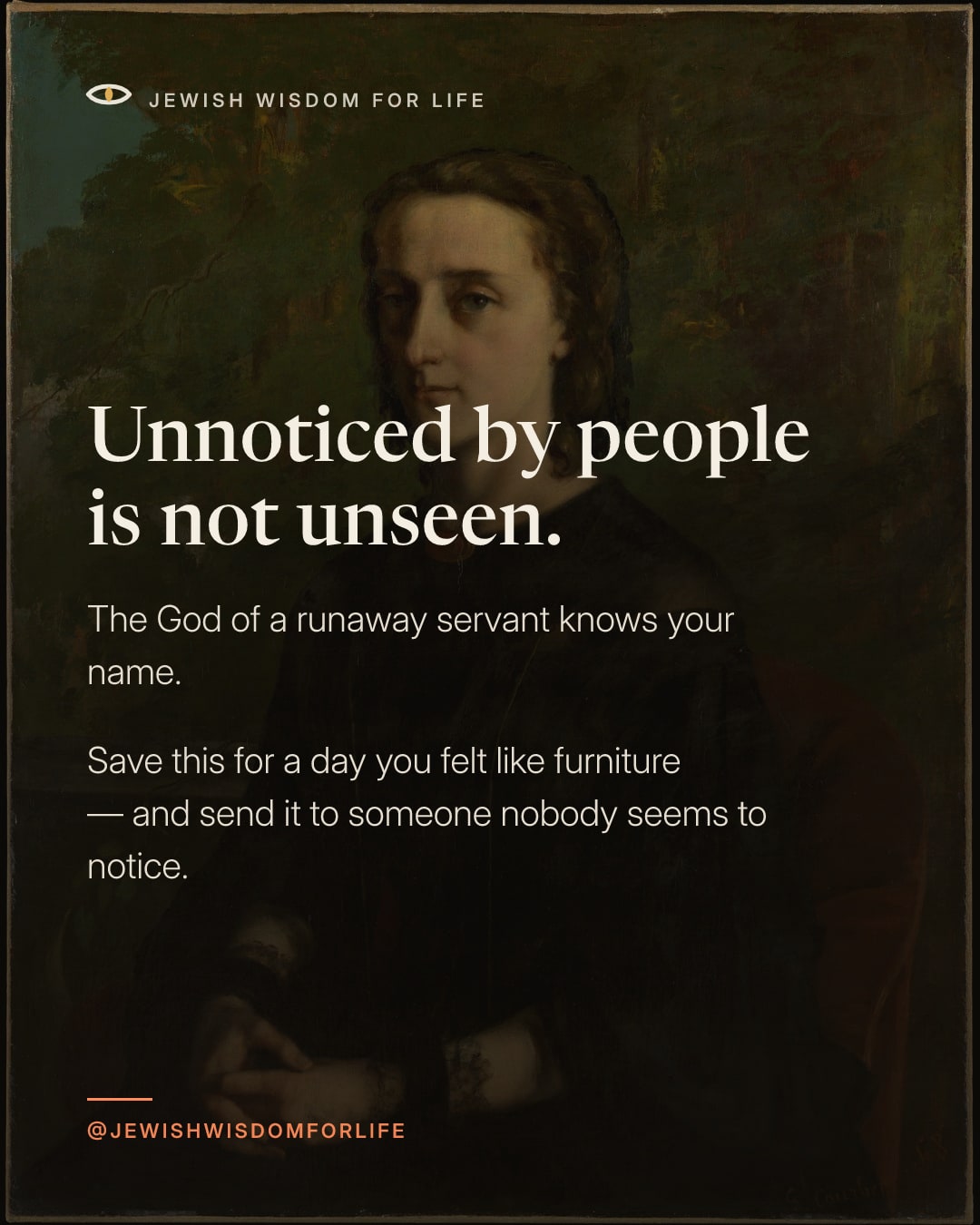
Unnoticed by people is not unseen.
The God of a runaway servant knows your name.
Save this for a day you felt like furniture — and send it to someone nobody seems to notice.
Sources
- Genesis 16:13 on Sefaria
- Genesis 29:32 on Sefaria
- Psalm 139:15-16 on Sefaria
- 1 Kings 19:12
- Psalm 147:4 on Sefaria
Art on the slides: British Painter, Eye Miniature · Marie Guillemine Benoist, Madame Philippe Panon Desbassayns de Richemont (Jeanne Eglé Mourgue, 1778–1855) and Her Son, Eugène (1800–1859) (1802) · François Meuret, Portrait of a Woman, Said to Be Marie de Mautesson (ca. 1830) · Claude Lorrain (Claude Gellée), Sunrise (possibly 1646–47) · William Michael Harnett, Still Life—Violin and Music (1888) · Johan Christian Dahl, Copenhagen Harbor by Moonlight (1846) · Gustave Courbet, Madame Frederic Breyer (Fanny Hélène Van Bruyssel, 1830–1894) (1858). The Metropolitan Museum of Art, open access.