Lesson 038 · posted Sat Sep 12 2026
Burned by Religion?
What Judaism says about that: five ideas, each with its source.
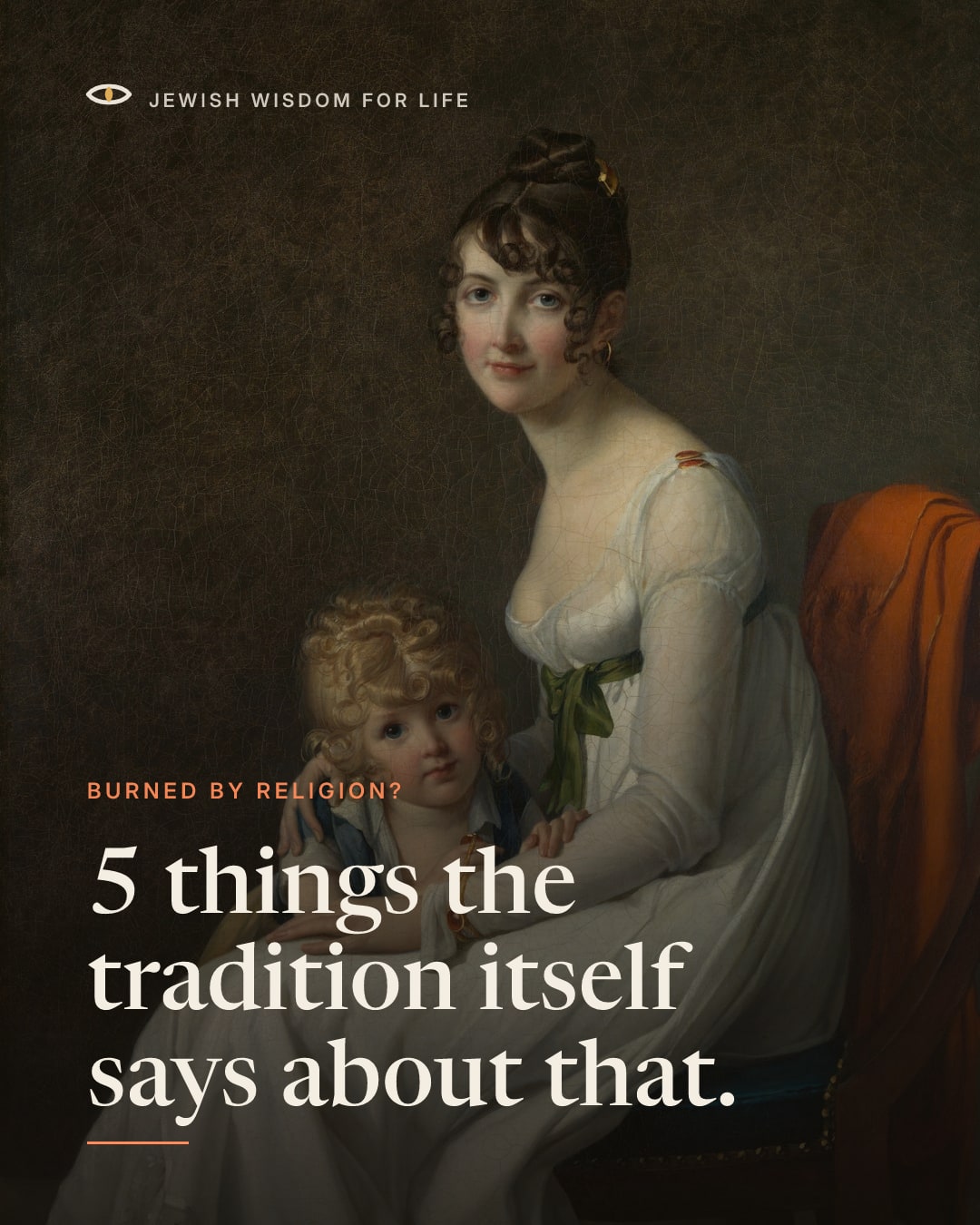
5 things the tradition itself says about that. What hurt you wasn't the Torah. The Torah's own test is pleasantness. Come back on your terms.

- 1
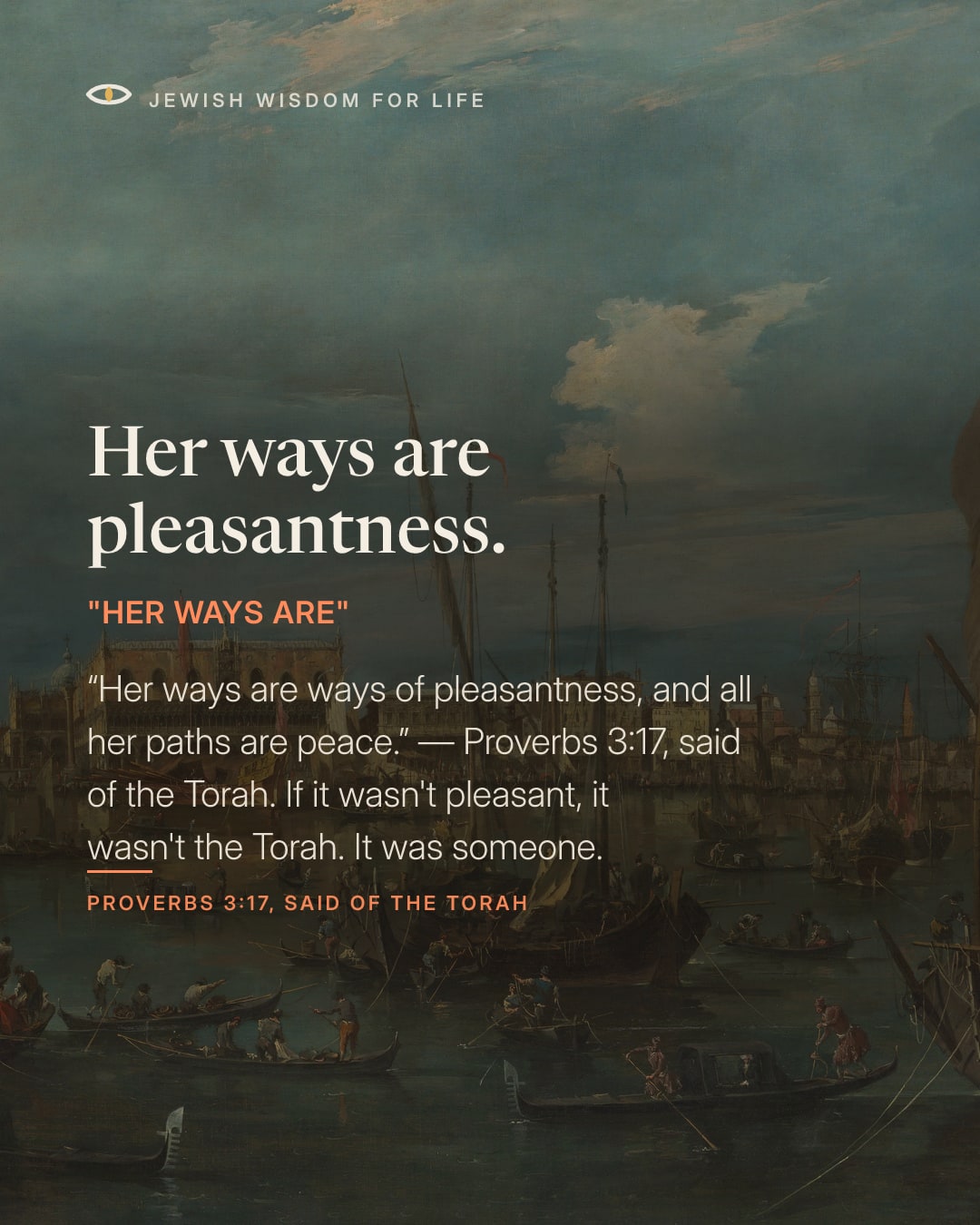
Her ways are pleasantness.
דרכי נועם“Her ways are pleasantness.”Proverbs 3:17, said of the Torah
“Her ways are ways of pleasantness, and all her paths are peace.” — Proverbs 3:17, said of the Torah. If it wasn't pleasant, it wasn't the Torah. It was someone.
- 2
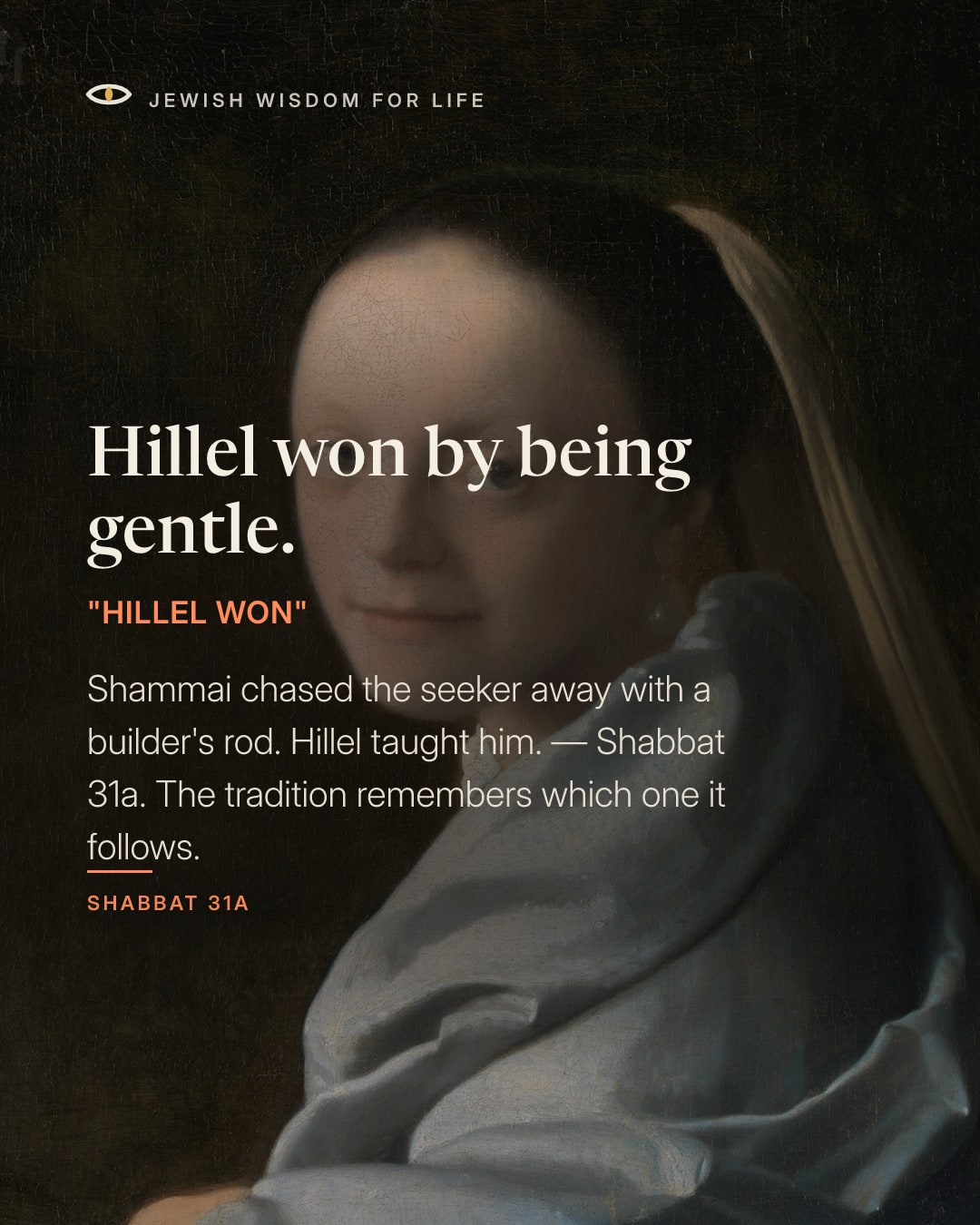
Hillel won by being gentle.
הלל“Hillel won by being gentle.”Shabbat 31a
Shammai chased the seeker away with a builder's rod. Hillel taught him. — Shabbat 31a. The tradition remembers which one it follows.
- 3
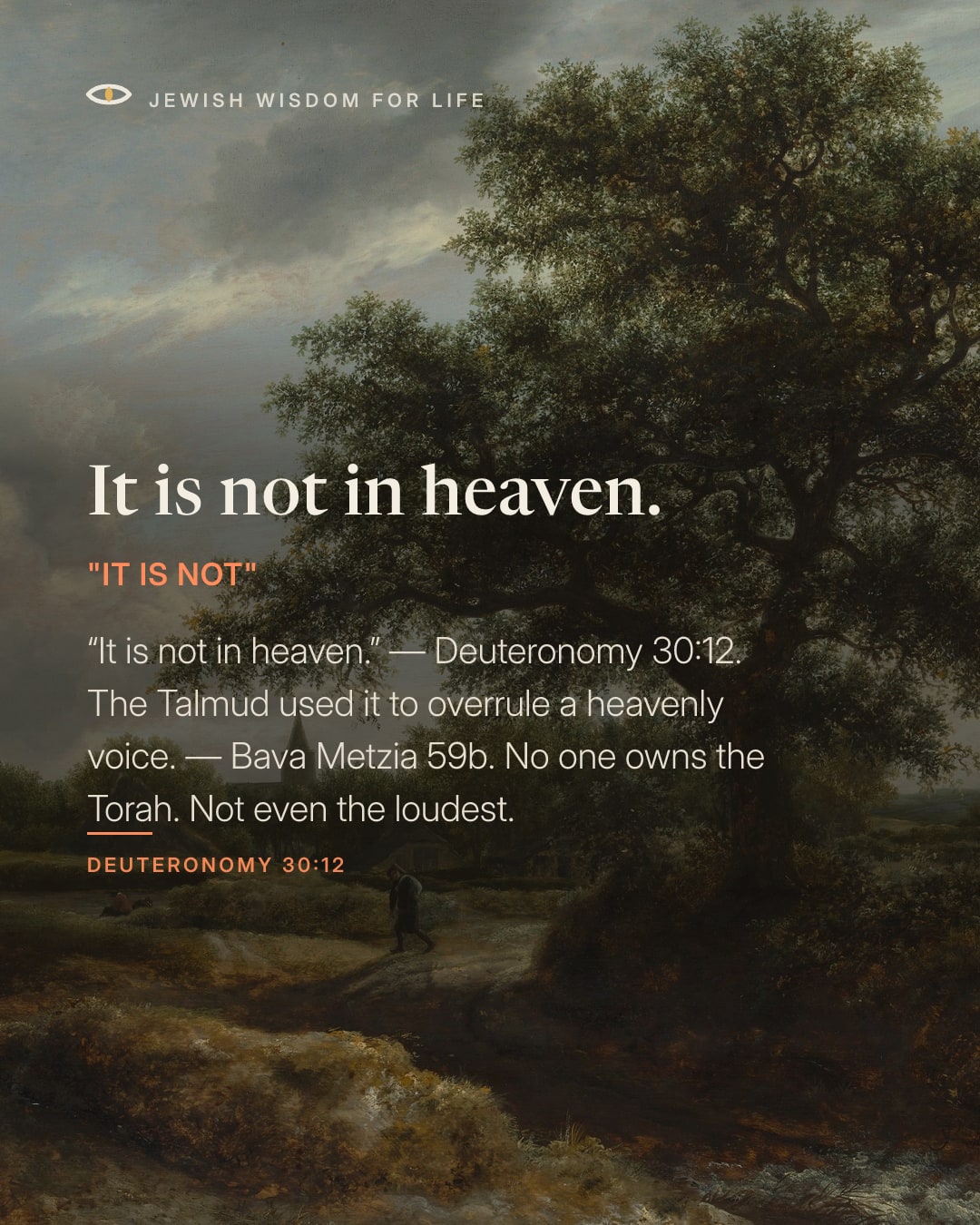
It is not in heaven.
לא בשמים היא“It is not in heaven.”Deuteronomy 30:12
“It is not in heaven.” — Deuteronomy 30:12. The Talmud used it to overrule a heavenly voice. — Bava Metzia 59b. No one owns the Torah. Not even the loudest.
- 4
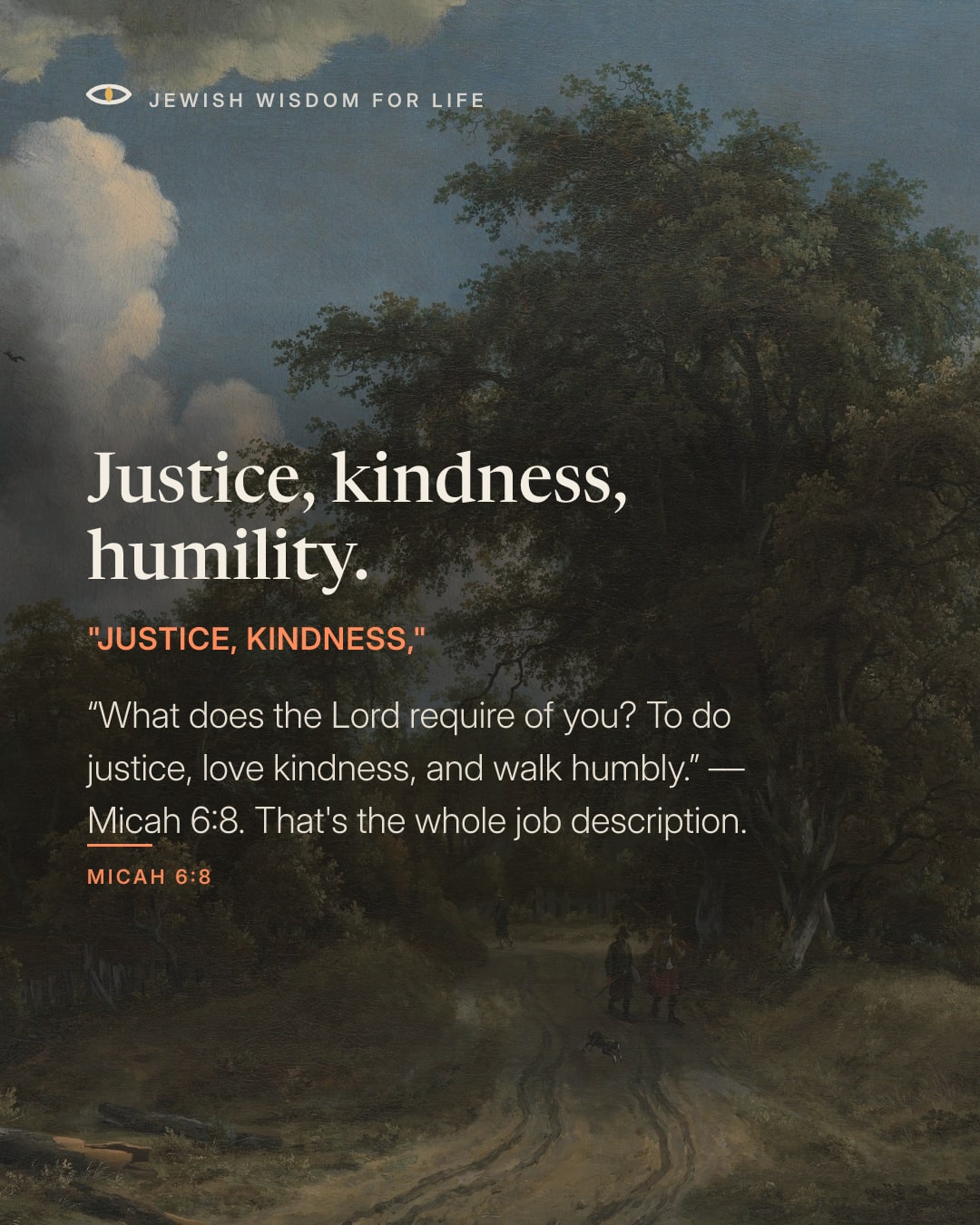
Justice, kindness, humility.
הצנע לכת“Justice, kindness, humility.”Micah 6:8
“What does the Lord require of you? To do justice, love kindness, and walk humbly.” — Micah 6:8. That's the whole job description.
- 5
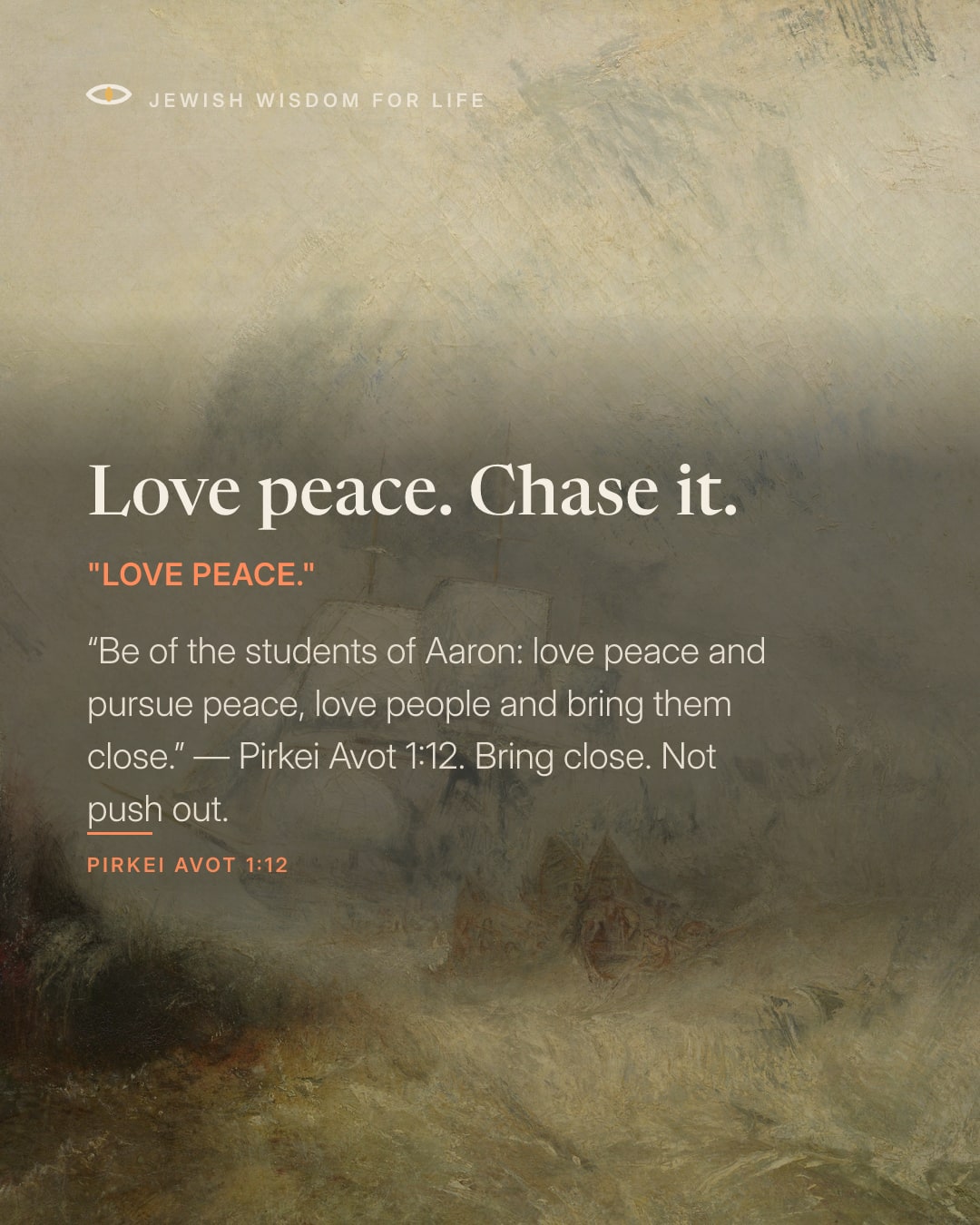
Love peace. Chase it.
אוהב שלום“Love peace. Chase it.”Pirkei Avot 1:12
“Be of the students of Aaron: love peace and pursue peace, love people and bring them close.” — Pirkei Avot 1:12. Bring close. Not push out.
What hurt you wasn't the Torah.
The Torah's own test is pleasantness. Come back on your terms.
Save this for when you're ready — and send it to someone who left because of people, not God.
Sources
- Proverbs 3:17, said of the Torah on Sefaria
- Shabbat 31a on Sefaria
- Deuteronomy 30:12 on Sefaria
- Micah 6:8 on Sefaria
- Pirkei Avot 1:12 on Sefaria
Art on the slides: Marie Guillemine Benoist, Madame Philippe Panon Desbassayns de Richemont (Jeanne Eglé Mourgue, 1778–1855) and Her Son, Eugène (1800–1859) (1802) · Francesco Guardi, Venice from the Bacino di San Marco (ca. 1765–75) · Johannes Vermeer, Study of a Young Woman (ca. 1665–67) · Jacob van Ruisdael, Landscape with a Village in the Distance (1646) · Meyndert Hobbema, Woodland Road (ca. 1670) · Joseph Mallord William Turner, Whalers (ca. 1845) · Velázquez (Diego Rodríguez de Silva y Velázquez), Philip IV (1605–1665), King of Spain (probably 1624). The Metropolitan Museum of Art, open access.